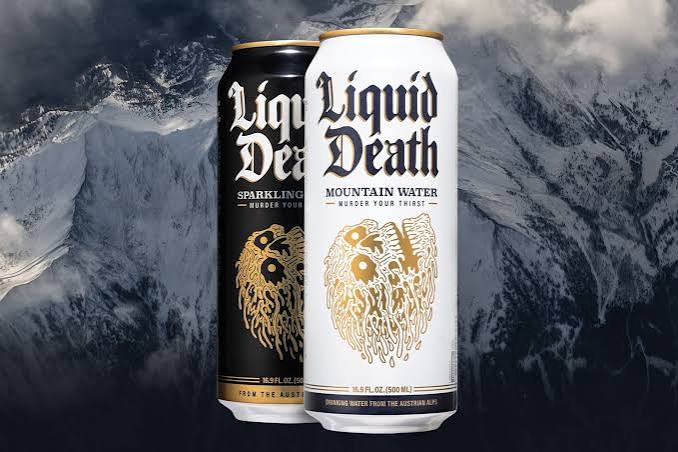
Liquid Death
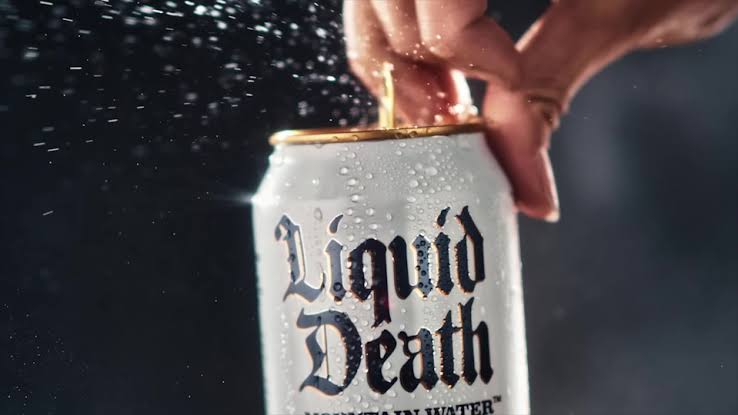
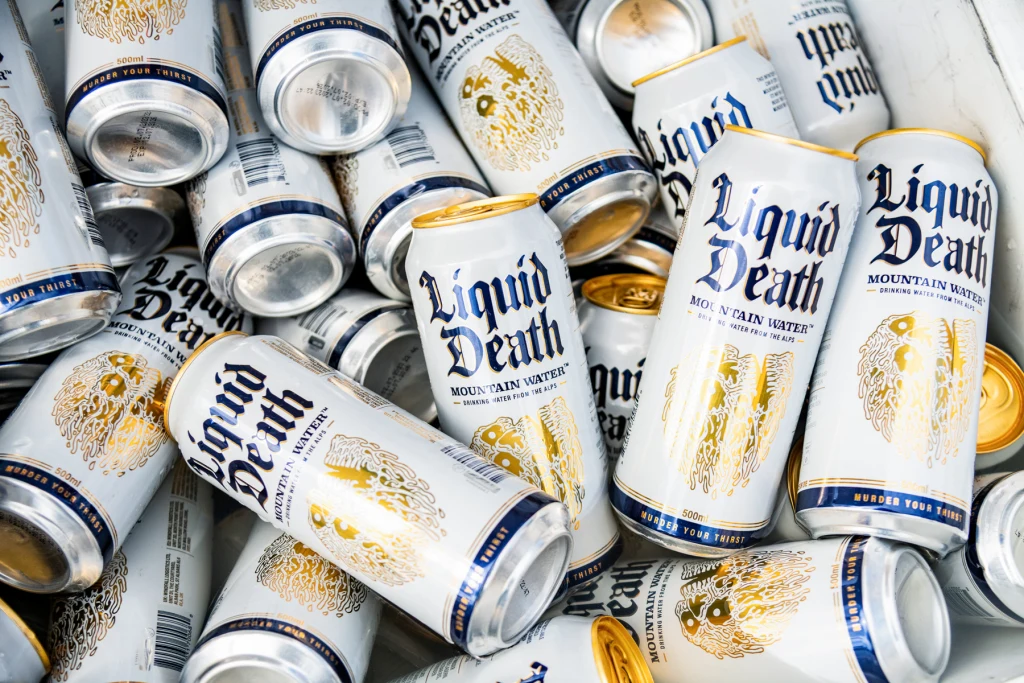
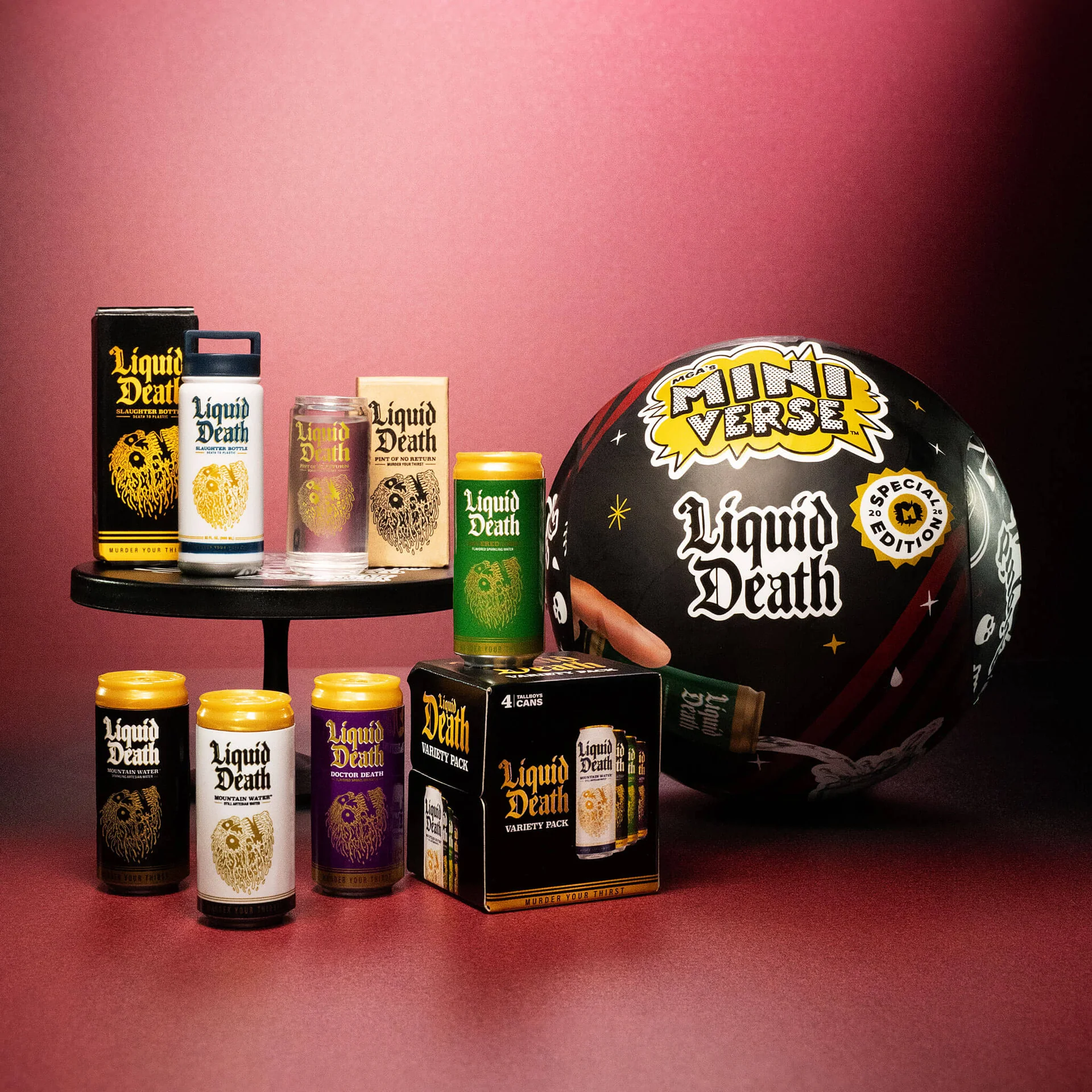
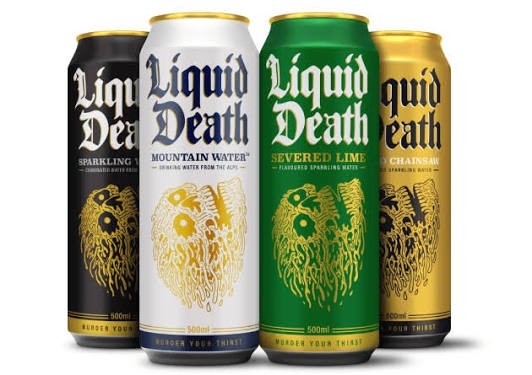
Liquid Death transformed bottled water into a cultural brand. This project developed a strategic market entry plan for the UK, using research-driven insights to identify opportunities, define positioning, and support sustainable growth.
PROJECT INFO
The Challenge
Expanding into a new market requires more than replicating a successful strategy. The challenge was to determine how Liquid Death could preserve its distinctive brand identity while adapting to the commercial, cultural, and behavioural realities of the UK market.
Rather than asking how the brand should market itself, the project began by asking where its existing strengths could create the greatest relevance.
My Contribution
I developed a research-led market entry strategy that translated consumer insights into actionable business recommendations. My role focused on understanding the relationship between market dynamics, consumer behaviour, and brand positioning to define a commercially viable path for expansion.
The project included market analysis, consumer research, competitive benchmarking, audience segmentation, positioning, and go-to-market strategy.
Strategic Thinking
The strategy was built by moving from understanding to action rather than beginning with marketing execution.
Four stages guided the project.
Discover
Understanding the UK market through consumer behaviour, category trends, competitive analysis, and cultural context to establish the conditions for market entry.
Define
Identifying the brand's strongest competitive advantages, key growth opportunities, and strategic risks before developing recommendations.
Position
Refining the audience, positioning, and value proposition to ensure the brand remained culturally distinctive while becoming commercially relevant within the UK.
Activate
Developing a phased market entry strategy supported by implementation priorities, performance metrics, and long-term growth objectives.
Key Insights
The research challenged several assumptions about brand growth.
Brands succeed by owning a cultural position, not just a product category.
Liquid Death's competitive advantage wasn't bottled water—it was the ability to transform an everyday product into a culturally meaningful brand.
Sustainability creates trust only when it is demonstrated.
Consumers responded more positively to measurable actions than environmental messaging alone.
Relevance outperforms reach.
Building a highly engaged community around a clearly defined audience offered greater long-term value than pursuing broad market awareness.
Digital ecosystems accelerate challenger brands.
Community-led storytelling, creators, and social platforms created stronger opportunities for market entry than conventional advertising.
Strategic Outcome
The final strategy positioned Liquid Death as a culturally distinctive challenger brand entering the UK through community, sustainability, and digital-first engagement rather than competing directly within the premium bottled water category.
The recommendations established a phased roadmap for market entry, covering positioning, communication, audience growth, performance measurement, and long-term expansion.
Key Takeaway
Successful market expansion isn't about adapting a brand to fit a market. It's about understanding where the brand's existing strengths create the greatest cultural and commercial relevance.
[Note: This project was completed as part of my MSc Global Marketing dissertation at the University of York. It's a strategic consultancy that uses commercial research and brand strategy to address a real-world market-entry challenge.]